10 Best Science Newsletters to Read in 2026The 10 best science newsletters in 2026. From Nature to independent researchers, discover the most fascinating findings in physics, biology, and space.
10 Best Science Newsletters to Read in 2026
"The 10 best science newsletters in 2026. From Nature to independent researchers, discover the most fascinating findings in physics, biology, and space."
Keeping up with published research across multiple disciplines is nearly impossible without good curation. These scientific research newsletters are backed by institutions like Nature and Scientific American, and they distill breakthroughs in physics, biology, medicine, and climate science into clear daily and weekly digests. They are trusted by working scientists and informed readers alike.
Nature Briefing is the daily email from the world's most prestigious scientific journal. Each morning, it curates the most important stories in science — from breakthrough research papers to science policy developments. It's the newsletter that scientists read to stay current with their field and beyond.
Recent Topics
Research Breakthroughs Climate Science Medical Advances Science Policy
Pros
Extremely high technical signal
Covers a massive range of scientific disciplines
Exceptional editorial quality
Cons
Can be very technical for casual readers
High volume (daily)
Frequency
Daily
Price
Free
Best For
Scientists, Researchers, Academics
Why we recommend it
"The gold standard for science newsletters. If researchers trust one source to keep them current, it's Nature Briefing."
Quanta Magazine provides award-winning reporting on the 'big questions' in mathematics, physics, biology, and computer science. Their weekly newsletter highlights the most fascinating fundamental research being done today — explained beautifully for curious non-specialists.
Scientific American has been the frontier of science journalism since 1845. Their daily newsletter delivers expert reporting on breaking science — from health and environment to space and technology. Nearly two centuries of credibility backs every story.
Recent Topics
Health Research Climate Science Space Exploration Technology Ethics
Pros
Highest level of journalistic integrity in science
Excellent medical and health reporting
Direct contributions from world-leading researchers
Cons
Significant portion of deep reports are behind a paywall
Can be more 'traditional' compared to Nautilus or Big Think
Frequency
Daily
Price
Free / Subscriber
Best For
Science Enthusiasts, Educators
Why we recommend it
"180 years of science journalism excellence. When Scientific American publishes, the scientific community listens."
You do not need a PhD to enjoy great science writing. These popular science newsletters translate complex research into engaging stories about consciousness, the Fermi Paradox, neuroscience, and the big questions that keep scientists up at night. They prioritize narrative and clarity, making them ideal for intellectually curious readers who want depth without jargon.
Tim Urban writes massive, logic-driven explorations of the universe's biggest questions — illustrated with his famous stick figures. From the Fermi Paradox to AI risk to procrastination, Wait But Why turns complex topics into adventures you can't stop reading. New posts are rare but legendary.
Recent Topics
AI & Humanity The Fermi Paradox Human Psychology Big Questions
Pros
Unmatched depth and clarity on complex topics
Extremely funny and relatable writing style
High 're-read' value
Cons
Very infrequent (can go months without an update)
Can be a daunting time commitment to read
Frequency
Variable / Monthly
Price
Free / Donation
Best For
Curious Minds, Science Enthusiasts
Why we recommend it
"When Tim Urban publishes, the entire internet reads it. Each post is a masterpiece of accessible scientific thinking."
Big Think delivers weekly insights from the world's leading thinkers on science, philosophy, and human potential. Each issue features ideas that challenge your assumptions and expand your understanding of how the world works.
Recent Topics
Neuroscience Philosophy of Science Innovation Human Behavior
Pros
Exceptional quality of expert contributors
Great at making high-level science and philosophy accessible
Very high production standard for video and writing
Cons
Can feel a bit 'high-concept' for those looking for practical tips
Significant promotion of their paid 'Big Think+' course platform
Frequency
Weekly
Price
Free / Member
Best For
Lifelong Learners, Intellectuals
Why we recommend it
"The best newsletter for intellectual curiosity. Big Think connects science to the questions that matter most."
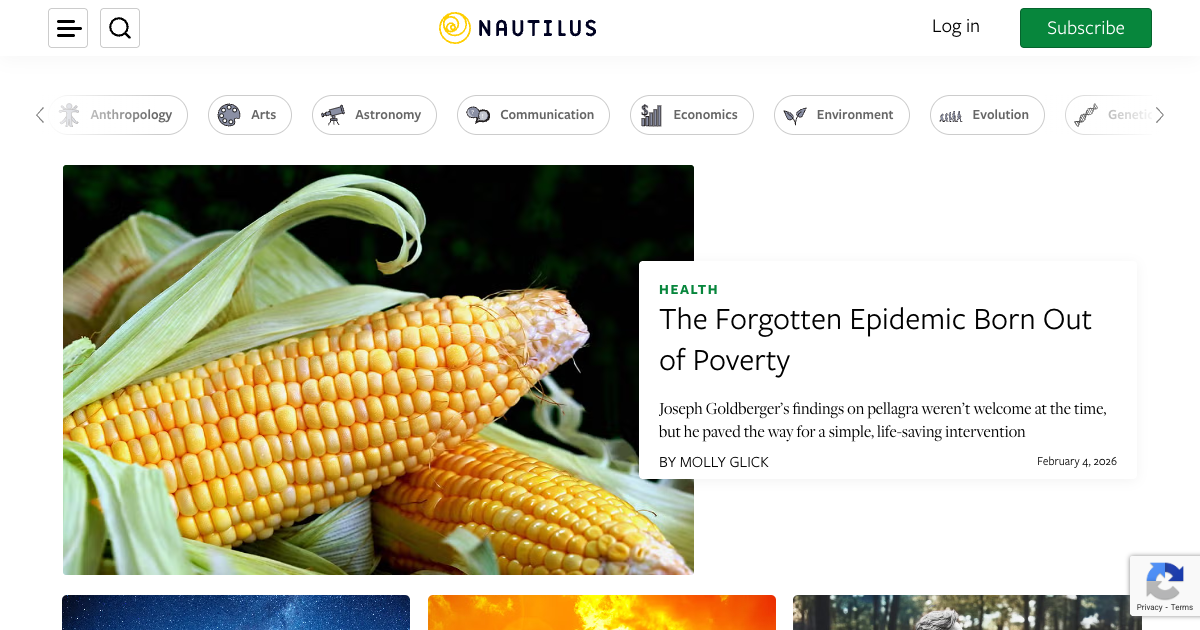
Nautilus delivers weekly deep-dives into a single scientific theme, connecting ideas across disciplines in ways that feel revelatory. It's where science meets storytelling — each issue weaves together physics, biology, philosophy, and culture around one powerful idea.
Recent Topics
Interdisciplinary Science Consciousness Evolution Mathematics in Nature
Pros
The most beautiful science publication in existence
Exceptional cross-disciplinary reporting
Very high intellectual and aesthetic standard
Cons
Can be very opaque or high-brow for casual readers
Paywall for the full digital archive is significant
Frequency
Weekly
Price
Free / Member
Best For
Science Writers, Curious Readers
Why we recommend it
"Science writing at its most beautiful. Nautilus proves that the best science stories are also the best human stories."
Climate change, biodiversity loss, and environmental policy are among the most consequential stories of our time. These earth and environment newsletters bring academic rigor and stunning visual storytelling to topics like conservation science, renewable energy, and ecological research. They are essential reading for anyone tracking the intersection of science and environmental policy.
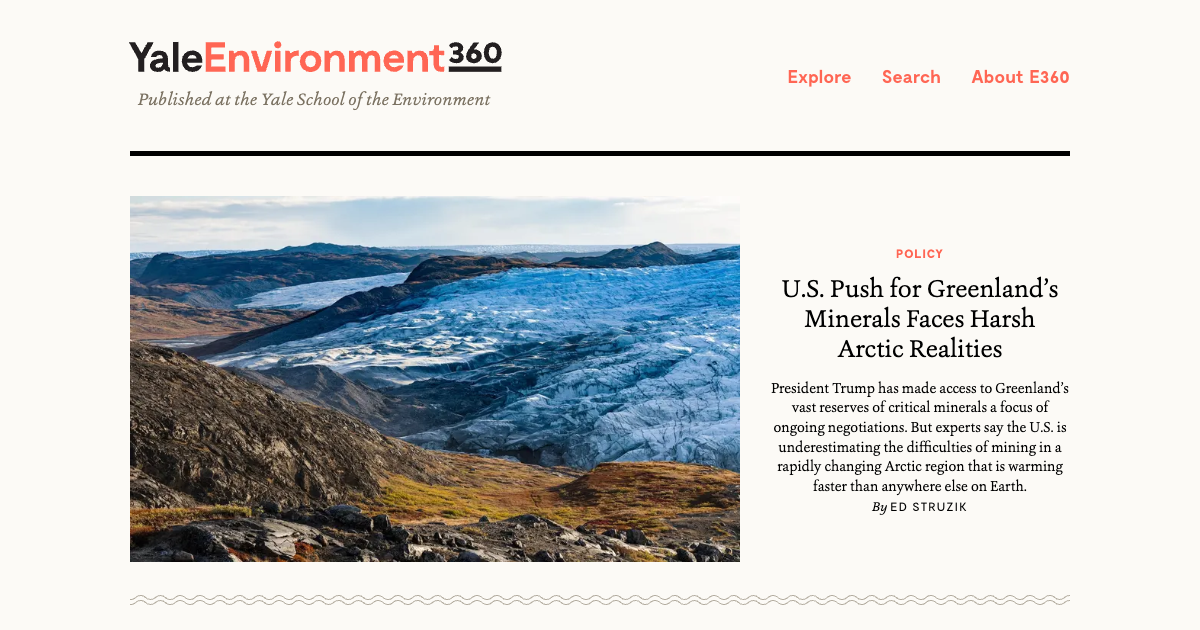
Opinion, analysis, and reporting from Yale's School of the Environment. Yale E360 delivers weekly, deeply researched articles on biodiversity, climate change, and environmental policy backed by academic rigor.
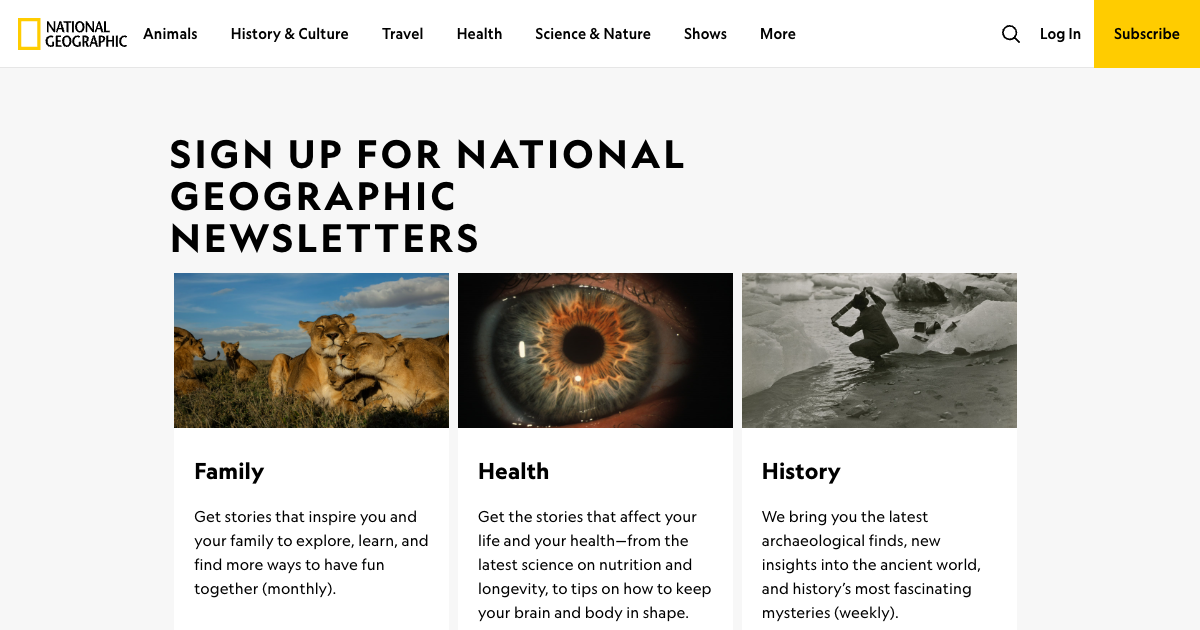
Exploration at its finest. National Geographic's daily newsletter delivers stunning photography, scientific discoveries, and stories from the frontiers of exploration. From deep ocean expeditions to space missions, it captures the wonder of our planet and beyond.
Recent Topics
Wildlife Space Exploration Ocean Science Archaeological Discoveries
Pros
Highest quality nature and travel photography
Authoritative science and archeology news
Great educational value for all ages
Cons
Paywall for full articles can be frustrating
Recently shifted more toward 'trending' topics under Disney
Frequency
Daily
Price
Free / Member
Best For
Science Enthusiasts, Photographers
Why we recommend it
"No one tells science stories like Nat Geo. The photography alone is worth subscribing for."
Medical research moves fast, and separating real breakthroughs from hype requires trusted, expert-edited sources. These health and medical science newsletters cover peer-reviewed findings in public health, clinical medicine, and health data with the kind of editorial rigor that avoids sensationalism. They are valued by healthcare professionals and science-minded readers who want reliable reporting on what the research actually says.
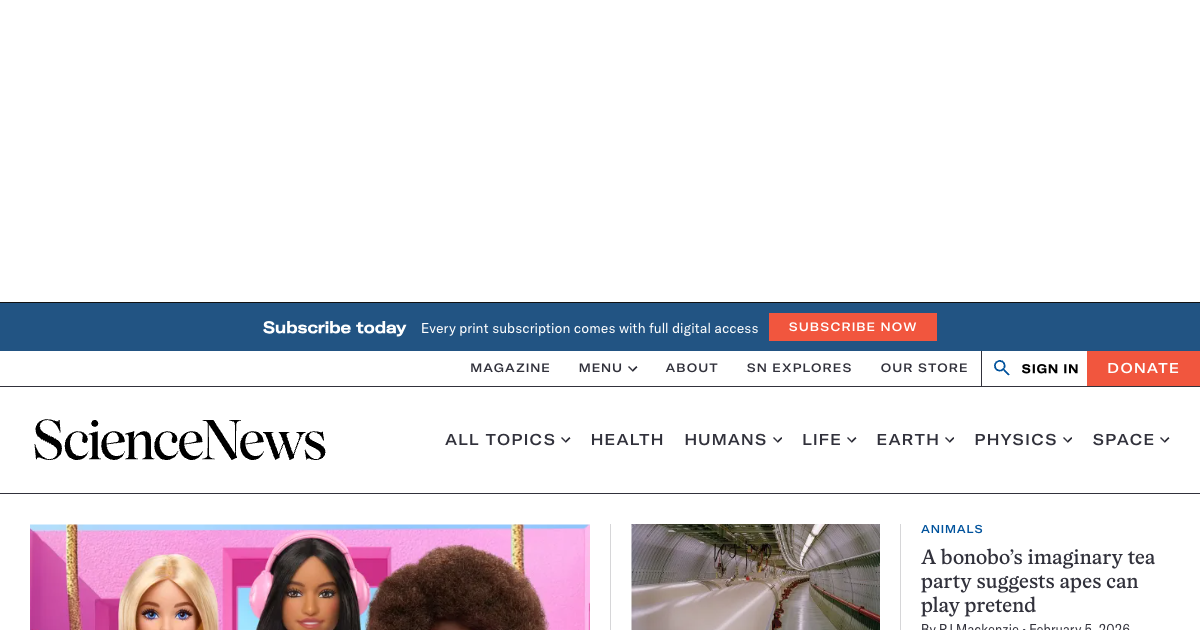
Clear, concise, and reliable coverage of the week's most important science stories. Science News has been reporting on scientific research since 1921, making it one of the longest-running and most trusted science publications in the world.
Recent Topics
Medical Research Physics Ecology Technology
Pros
Extremely reliable and objective
Covers a massive range of disciplines
Great for non-expert readers
Cons
Less 'cutting-edge' aesthetic than newer science briefs
Can be fairly standard news reporting
Frequency
Weekly
Price
Free
Best For
Science Professionals, Educators
Why we recommend it
"A century of science journalism excellence. Science News Weekly delivers exactly what you need — reliable science reporting."
Academic rigor, journalistic flair. The Conversation provides daily news and analysis written by academics and researchers, edited by professional journalists. Every article is fact-checked and sourced from the latest peer-reviewed research.
Recent Topics
Research Findings Science Communication Health Data Education
Pros
Unmatched credibility and evidence-based reporting
Great at providing historical/scientific context to modern news
Non-profit and completely free to read
Cons
Can be a bit dry or 'academic' for some
Focuses heavily on news-related research
Frequency
Daily
Price
Free
Best For
Academics, Science-Minded Readers
Why we recommend it
"News written by the actual experts. The Conversation is the antidote to misinformation in science reporting."
Our team subscribes to 40+ science newsletters and evaluates them based on:
Scientific Accuracy (40%): Fidelity to the underlying research, proper context, and avoidance of sensationalism.
Writing Quality (25%): Ability to make complex science accessible without oversimplifying.
Source Credibility (20%): Peer-reviewed backing, author credentials, and institutional reputation.
Breadth & Depth (15%): Coverage range across disciplines and depth of individual stories.
We update this list quarterly. Last evaluation: February 2026.
Frequently Asked Questions
Q. What is the best science newsletter in 2026?
Nature Briefing is the top-ranked science newsletter in 2026. Published by the world's most prestigious scientific journal, it delivers daily curated research breakthroughs and science policy developments trusted by researchers worldwide.
Q. Which newsletter covers the latest research papers and discoveries?
Nature Briefing covers daily research highlights from across all scientific disciplines. For more focused deep dives, Quanta Magazine provides award-winning reporting on fundamental questions in math, physics, biology, and computer science.
Q. Are there science newsletters for non-scientists?
Yes, several excellent science newsletters are written specifically for curious non-specialists. Wait But Why by Tim Urban makes complex topics feel like adventures, Big Think delivers accessible insights from leading thinkers, and Nautilus weaves science into compelling human stories.
Q. What newsletter is best for climate and environmental science?
Yale Environment 360, backed by Yale's School of the Environment, is the most credible environmental science newsletter with deeply researched articles on biodiversity, climate change, and environmental policy. National Geographic Daily also covers environmental science with stunning photography.
Q. Which science newsletter is most trusted by researchers?
Nature Briefing is the most trusted science newsletter among professional researchers, backed by the 155-year reputation of Nature journal. Scientific American (publishing since 1845) and Science News Weekly (since 1921) are also highly respected in the scientific community.